Top 7 Beginner Chicken Breeds for 2026 (And Why It Matters)
By Shirley W. · July 9, 2026 · 7 min read
When I started my flock a few years ago I had a plan. A nice mix of breeds, picked for temperament and egg production. Then reality happened--My local Tractor Supply kept selling out of chicks before I could get there. I called every hour on stock day to check. Every hour, gone. After weeks of that, I found a pet supply store that had chicks in and waited an hour and a half in line. What they had that day: a full batch of brown Leghorns. So that's what I got.
I didn't know much about Leghorns going in. Turns out they're supremely easily frightened. Make one sudden movement near the run and the whole flock jumps up in a screeching, wing-flapping frenzy like you set off a fire alarm. Great layers, but not a breed I'd hand a first-timer, especially with kids running around the yard.
Not every breed sitting in the bin at the feed store is one you should take home, and "whatever's in stock" is exactly how beginners end up with the wrong bird. Here are the breeds that make sense for someone starting out.

1. Rhode Island Red
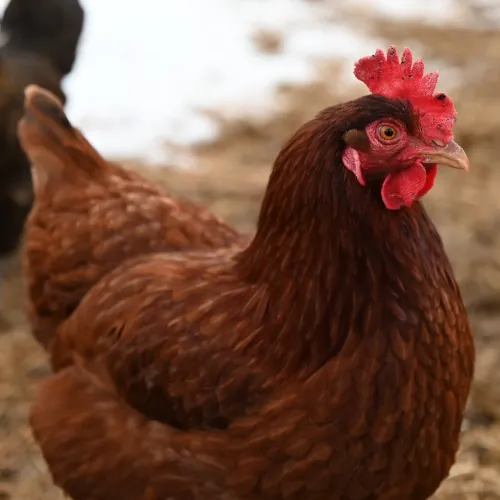
The classic starter breed. Hardy, cold-tolerant, lays around 250-300 brown eggs a year, some of the best production you'll get out of a dual-purpose bird. Not the cuddliest chicken, but low-maintenance and rarely gets sick.
They forage well and will knock down your feed bill if you let them range, and they keep laying through weather that shuts other breeds down. The one catch: the roosters can be territorial, and even the hens sit near the top of the pecking order, so watch them with smaller, gentler breeds in a mixed flock.
Best for: egg production, cold climates, low-fuss keepers
More about Rhode Island Reds →
2. Orpington
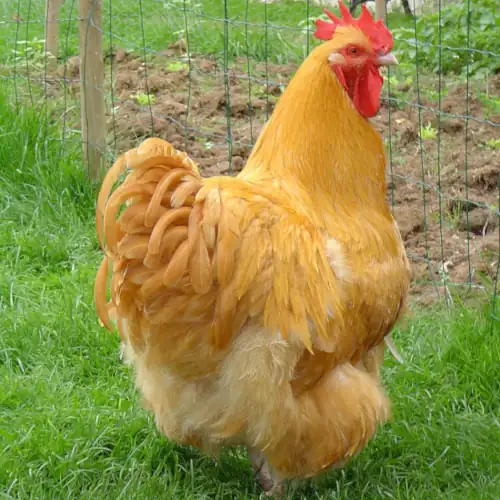
A big friendly lap chicken that's good with kids. Fluffy, calm, and they go broody, so they'll sit on eggs and hatch chicks if you want to grow the flock that way. Egg production is solid, 200-280 a year, just not quite Rhode Island Red numbers.
That heavy, fluffy build makes them fantastic in the cold but prone to overheating in the summer, so they need shade and cool water when it's hot. They're heavy enough that a low fence usually keeps them home, and their mellow temperament means they rarely bully other birds--often they're the ones getting picked on, so keep an eye on that.
Best for: families, cold climates, people who want a pet as much as a layer
3. Australorp
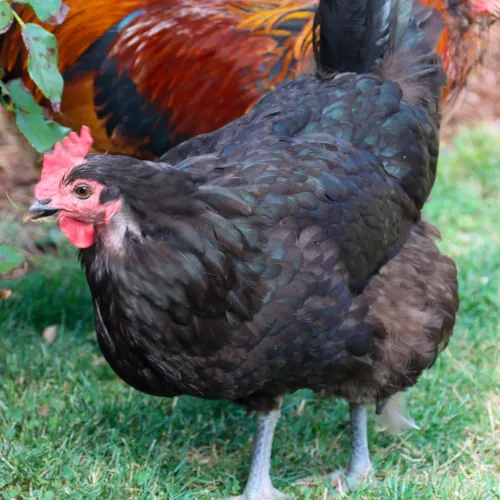
Holds the world record for egg-laying, 364 eggs in 365 days. Your backyard bird won't hit that, but they're consistent layers. Calm, quiet, and they do fine in a smaller space.
They tolerate both heat and cold better than most heavy breeds, which makes them one of the safest picks if you're not sure what your weather will throw at them. Quiet and unbothered, they handle confinement without getting stressed or noisy--a real plus if you've got close neighbors.
Best for: quiet neighborhoods, consistent eggs, small yards
4. Plymouth Rock (Barred Rock)
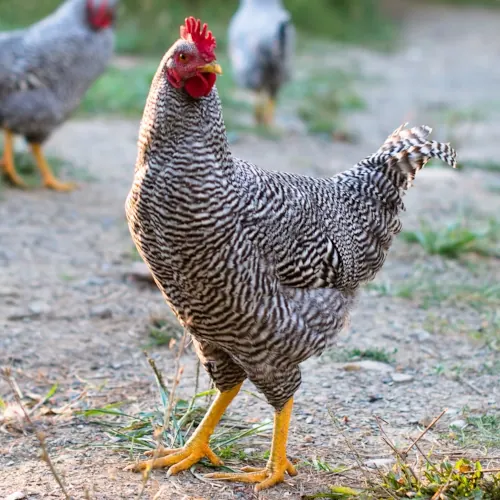
Easy to spot with the black-and-white stripes. Friendly, cold-hardy, reliable layers of brown eggs (200-280 a year), and fine whether free-ranged or confined.
They're curious and personable without being flighty, so they're easy to catch and handle--exactly what you want while you're still learning. They keep laying reasonably well into their third and fourth years, longer than a lot of high-output breeds that burn out fast, which makes them a good long-term flock member.
Best for: flexible setups, beginners who want something docile and easy to handle
5. Easter Egger
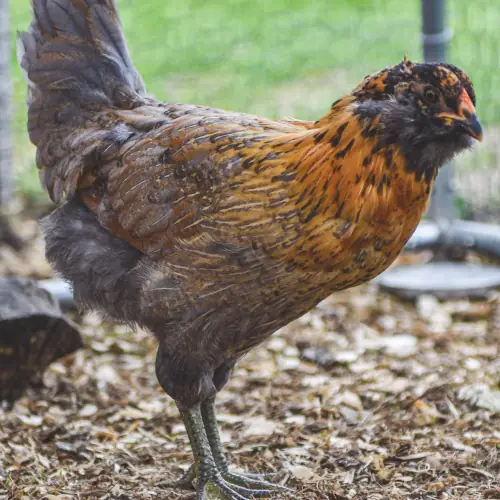
Not a real breed, more of a mixed breed known for laying blue, green, or pink eggs. If you want the rainbow carton look without the pickier temperament of a purebred Ameraucana, this is it. Hardy, adaptable to most climates.
Because they're a mix, no two look quite alike and each hen lays her own single egg color for life--fun if you like being able to tell whose egg is whose. They're generally friendly and hardy, but since "Easter Egger" isn't standardized, temperament and output vary bird to bird, so buy from a seller who can tell you about the parent stock.
Best for: novelty egg colors, mixed climates, curious first-timers
6. Wyandotte
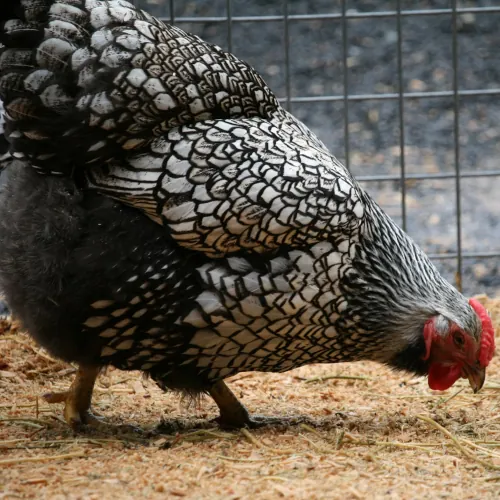
Cold-hardy, docile, and they come in striking color patterns, Silver Laced being the most common. Lays around 200 brown eggs a year. The tight rose comb resists frostbite better than most breeds.
That rose comb is a real advantage in hard winters where single-combed breeds lose points to frostbite. They're confident, independent birds that hold their own in a mixed flock without being outright mean, and their dense feathering means they keep laying through cold snaps that slow other hens down.
Best for: cold climates, keepers who want variety in how the flock looks
7. Sussex
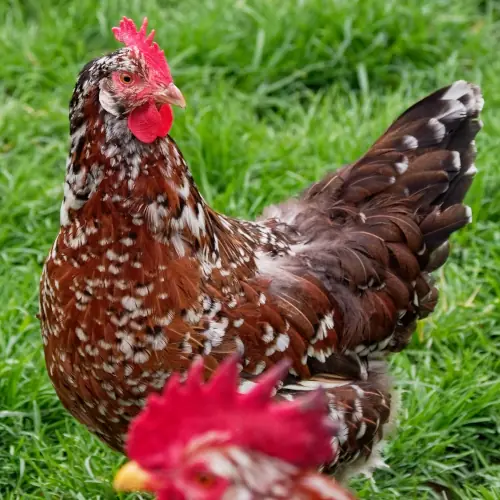
An old English breed, calm and curious, and they'll follow you around the yard. Lays well, 250+ eggs a year, handles confinement or free-ranging either way.
They're one of the best foragers on this list, happy to work a yard for bugs and greens, which trims your feed costs. The Speckled variety's coloring is genuinely good camouflage against predators while they range, and they keep laying steadily through winter better than a lot of heritage breeds.
Best for: an interactive pet, mixed-use yards
Backyard Chicken Laws: What to Check
"Which states allow backyard chickens" isn't the right question. This is regulated at the city and county level almost everywhere, not the state level, and most states don't have a blanket law either way. What decides whether you can keep hens is your city's zoning code, your county ordinance, and often your HOA's bylaws.
A few things to check before you buy a single chick:
- Nearly every state allows backyard chickens somewhere within it. The restrictions show up at the city level: flock size caps, rooster bans, coop setbacks (commonly 10-25 feet from the property line), permit fees.
- Roosters are the first thing any city bans. If a municipality allows hens, it likely still bans roosters, over noise complaints.
- A few states break the "it's all local" pattern. Maryland requires everyone to register their flock with the state Department of Agriculture. Michigan has been active in 2025-2026, with state bills that would stop local governments and HOAs from banning backyard flocks outright.
- HOAs can override the city. Even if your city says yes, your HOA's covenants can still say no, and in a lot of states that covenant wins.
- 2026 adds one more wrinkle: avian flu reporting. With HPAI showing up in backyard flocks in several states this year, some areas now require reporting or have temporary movement restrictions during outbreaks. Check your state Department of Agriculture's site, not just the city ordinance.
Call your city's zoning office before you buy anything, and read your HOA covenants if you have one. Laws here change often enough that a guide from a year ago can be out of date.
A Few Other Things
- Climate matters more than looks. A breed built for Florida heat might struggle through a Minnesota winter. Match the breed to your actual weather, not the cute photo.
- Don't just buy whatever's in stock. Learned this one the hard way. If the store only has one breed left and you haven't looked into it, wait or drive somewhere else. A bad breed match shapes your whole first year.
- Buy from NPIP-certified sellers when you can. NPIP (National Poultry Improvement Plan) means the flock's been tested and monitored for certain diseases. It's one of the better signals you're buying from someone who knows what they're doing. Our NPIP guide breaks down what the certification actually covers.
- Start with 3-4 hens. Chickens are flock animals and get stressed alone, but a small starter flock is easier to manage than a big one while you're learning.
Where to Find These Breeds
If you're ready to start your flock, ChickenMap connects you directly with local, NPIP-listed sellers and hatcheries, no algorithm, just real farms near you. Browse all chicken breeds to compare temperament and egg output, or check the rescue and rehoming listings if you'd rather give an already-grown hen a home instead of starting from chicks.