NPIP Certification Explained
Last updated September 11, 2026
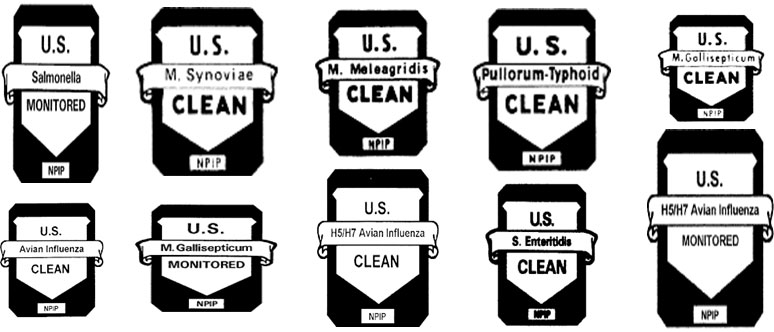
What is NPIP?
The National Poultry Improvement Plan (NPIP) is a voluntary state-federal certification program that tests and monitors poultry flocks for specific diseases. When you see a seller listed as “NPIP certified,” it means their flock has passed testing for the diseases relevant to their type of bird — a strong signal that they take flock health and biosecurity seriously.
NPIP certification isn’t one-size-fits-all. Sellers are certified under specific subpartsdepending on the type of poultry they raise. Here’s what each one covers:
What “Pullorum-Typhoid Clean” Means
Pullorum-Typhoid Clean is the baseline NPIP classification, and the one you’ll see most often on small-flock sellers. It covers two closely related bacterial diseases: Salmonella pullorum (pullorum disease) and Salmonella gallinarum (fowl typhoid). Both can pass from a hen straight into her hatching eggs, so an infected breeding flock spreads the disease to every chick it produces — and to any flock those chicks join.
To earn and keep the classification, a flock has to be blood tested on a recurring schedule and come back free of both organisms every time. It isn’t a one-time inspection: skip the retesting and the classification lapses. So when a seller is listed as Pullorum-Typhoid Clean, it means their breeding birds have been tested — repeatedly, and recently — and none of them carried either disease.
Egg-Type Chicken Breeding Flocks
For breeders of egg-laying breeds (like Leghorns and other layer breeds). Tests for Pullorum-Typhoid and Mycoplasma gallisepticum (MG) — diseases that can spread through a flock and impact egg production and bird health.
Meat-Type Chicken Breeding Flocks
For breeders of meat/broiler breeds. Covers similar disease testing, adjusted for meat-bird operations, including MG and Mycoplasma synoviae (MS).
Turkey Breeding Flocks
Certification for turkey breeders, testing for Mycoplasma meleagridis (MM), MS, and MG — turkey-specific and shared poultry disease risks.
Waterfowl, Exhibition Poultry, and Game Birds
Covers ducks, geese, pheasants, quail, and show/exhibition birds. If you’re buying anything other than standard chickens, this is the subpart to look for.
Ostrich, Emu, Rhea, and Cassowary
Certification for ratite (large flightless bird) breeders — a smaller, more specialized category.
Commercial Table-Egg Layers
For flocks producing eggs sold for human consumption, with additional testing (such as Salmonella enteritidis) since these eggs go directly to consumers.
Primary Meat-Type Chicken and Turkey Breeding Flocks
Certification used by large-scale commercial hatcheries and breeding operations, distinct from small farm or backyard breeder certifications.
Diagnostic Surveillance Program
An ongoing, nationwide monitoring effort that watches for new or emerging poultry diseases — not a certification an individual seller holds, but part of what keeps the overall program reliable.
General Provisions
The foundational rules and standards that govern the entire NPIP program, across all subparts.
Why NPIP Certification Matters When Buying
- Health assurance — Certified flocks are tested for specific diseases, reducing the risk of bringing home a sick bird.
- Biosecurity mindset — Sellers who maintain NPIP certification are generally more careful about flock management overall.
- Not a guarantee — Certification means testing has occurred, not that every bird is disease-free forever — ongoing care still matters after purchase.
Tip: When browsing sellers on ChickenMap, check which NPIP subpart(s) they’re certified for — it should match the type of bird you’re interested in (e.g. look for waterfowl certification if you’re buying ducks, not just general chicken certification).
NPIP Certification: Frequently Asked Questions
Is NPIP certification required to sell poultry?
No, NPIP is a voluntary program. Many reputable small farms and backyard breeders aren’t certified simply because of the cost and paperwork involved, not because their birds are unhealthy. That said, certification is often required for interstate shipping of live birds and hatching eggs, so sellers who ship across state lines are more likely to be certified.
How do I verify a seller's NPIP status?
You can check the official NPIP participant list at poultryimprovement.org or contact your state’s Department of Agriculture, which administers NPIP testing locally. Sellers can also usually provide a copy of their certificate directly.
Does NPIP certification expire?
Yes — flocks are retested periodically (typically annually) to maintain certification, since disease status can change over time. A seller’s certification reflects their most recent testing, not a one-time check.
If a seller isn't NPIP certified, does that mean I shouldn't buy from them?
Not necessarily. Many small, high-quality operations choose not to certify due to cost or because they only sell locally and don’t need it for shipping. Ask the seller directly about their flock health practices, biosecurity measures, and whether they’ve had any recent illness in their flock — these questions matter more day-to-day than certification status alone.
What's the difference between NPIP certification and a health certificate?
NPIP certification reflects a flock’s disease testing status over time. A health certificate (sometimes called a Certificate of Veterinary Inspection or CVI) is typically issued for a specific shipment or sale and confirms birds were examined by a vet shortly before transport — often required for interstate travel regardless of NPIP status.
Can NPIP certification vary by location on the same farm?
Yes — larger operations with multiple flocks or locations may have some flocks certified and others not, depending on how they’re managed. Always ask which specific flock or birds the certification applies to if you’re buying from a larger operation.
Learn More
For official program details, participant lists, and state-level contacts, visit the official NPIP website, or USDA APHIS’s NPIP reference guide, which describes how the program is administered.