Orpington
Chicken

Few breeds say "backyard favorite" like the Orpington, a big, soft-feathered English bird developed in the 1880s near Orpington, Kent. Its plush plumage — famous in buff, plus black, blue, lavender and more — wraps a genuinely gentle, sociable temperament that tolerates handling and children well. Hens are dependable layers of large brown eggs and go broody readily, making natural, attentive mothers. Calm, cold-hardy and forgiving, Orpingtons are one of the best choices for first-time keepers.
Weight
Large fowl (Standard size)
Bantam (Miniature size)
How to spot it
- Comb
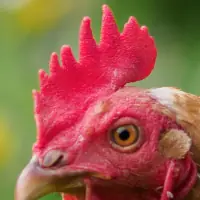 Single
 - Single comb, medium and upright
- Earlobes
- Red
- Legs & feet
- Clean legs, four toes, white skin and toenails. Leg colour follows the variety: black or slate-blue on Black and Blue birds (with white soles), white to pinkish-white on Buff, White, Jubilee and Cuckoo, and black-and-white mottled on Spangled. Yellow legs are a fault in any colour
- Look for
- A deep, wide, low-slung body so heavily feathered the legs almost disappear — a curvy "bowling ball" outline
Ancestry
How this breed was developed. Historical records, not crosses to make today.
- Bred from
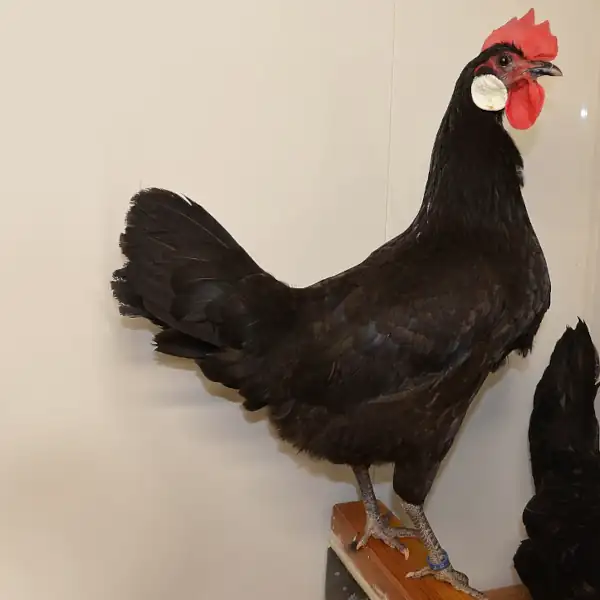 MinorcaBlack Plymouth Rock
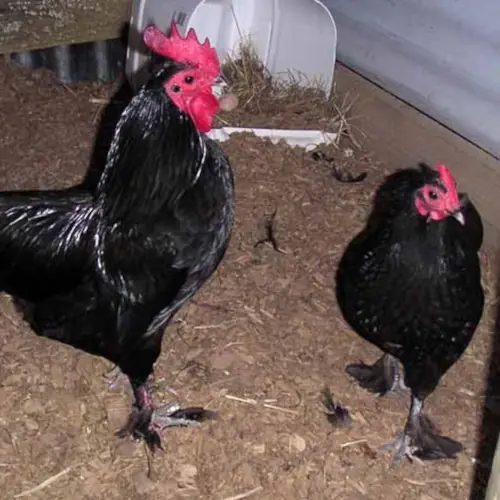 Langshan
- Contributed to
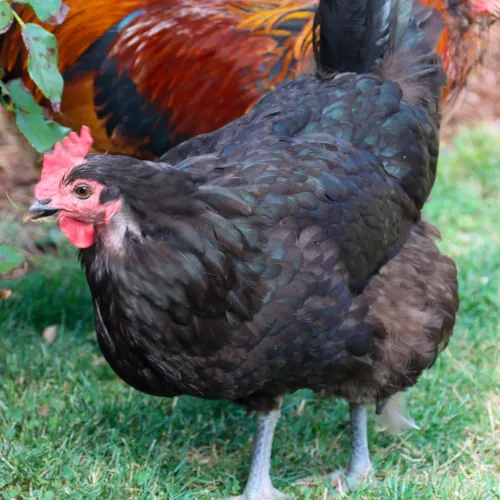 Australorp
William Cook crossed Minorca cocks with Black Plymouth Rock hens, then bred the offspring to clean-legged Langshans; introduced in 1886.
Varieties
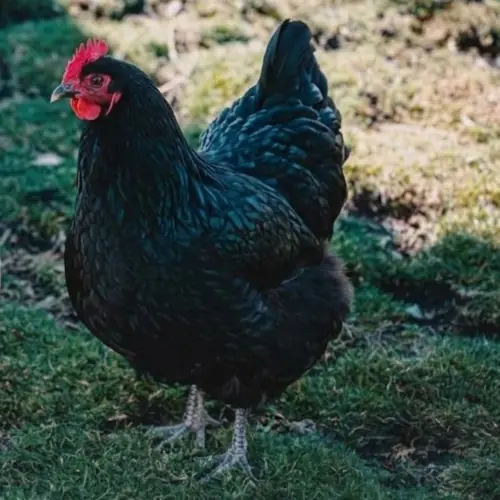
Black
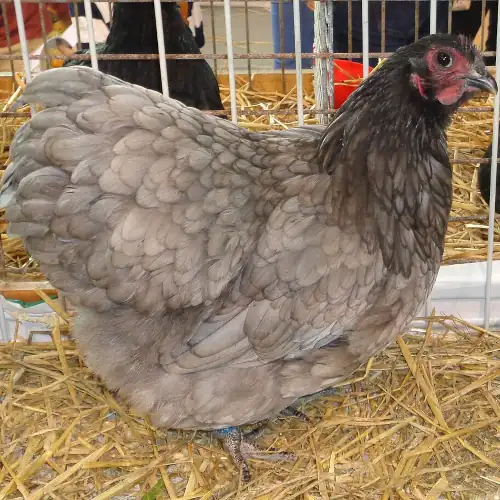
Blue

Buff

Lavender
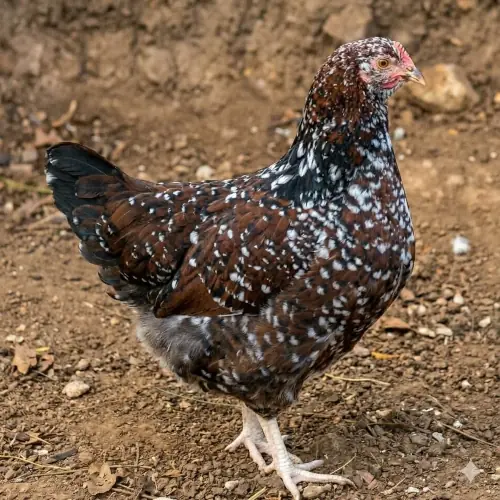
Jubilee
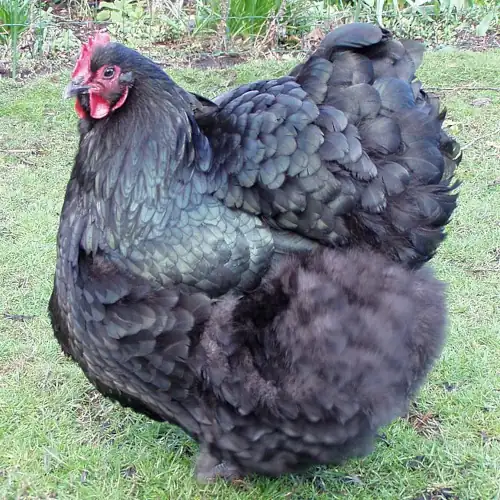
English Black
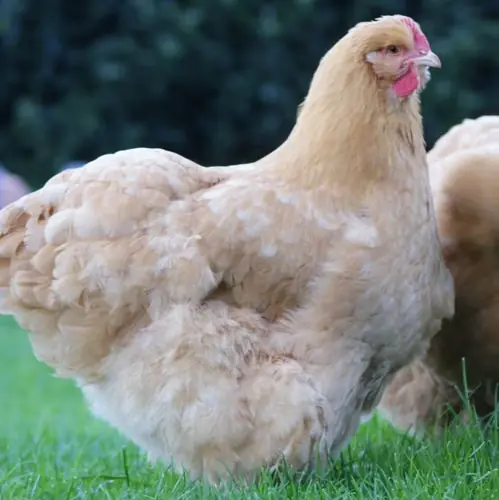
English Buff
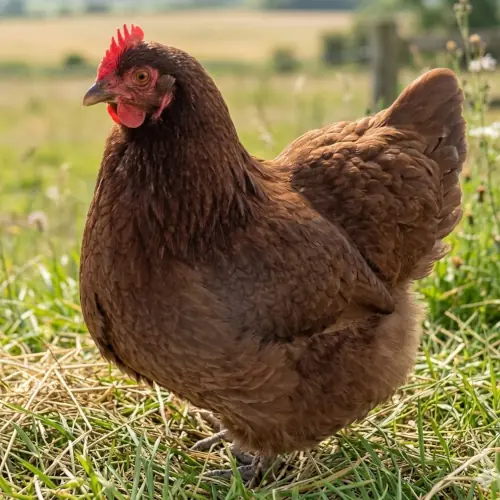
Chocolate
Find Orpington breeders near you
162 providers currently list Orpington.
Browse Orpington breeders


