
Hi, I’m Shirley
and I run ChickenMap! I'm originally from New York but moved down to Florida after starting remote work in 2021 as a software engineer.
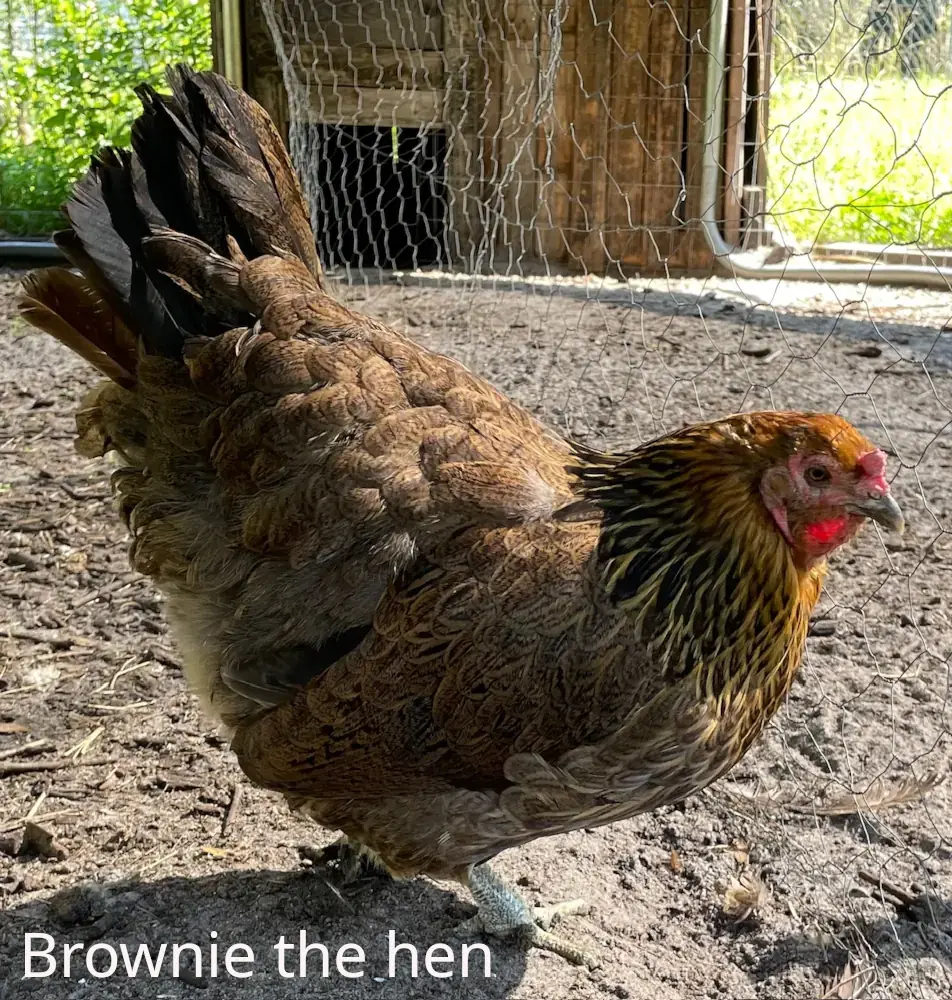
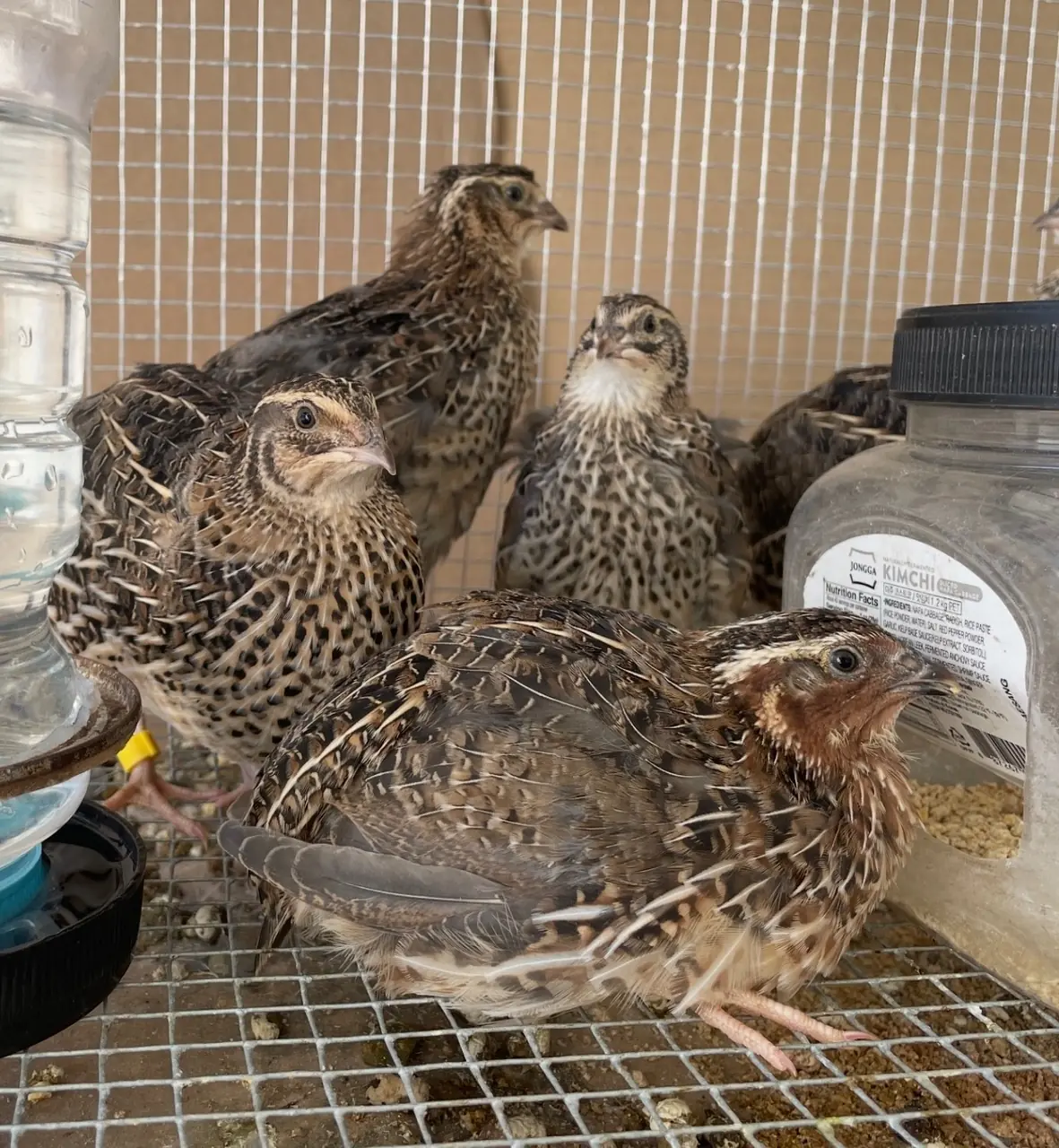
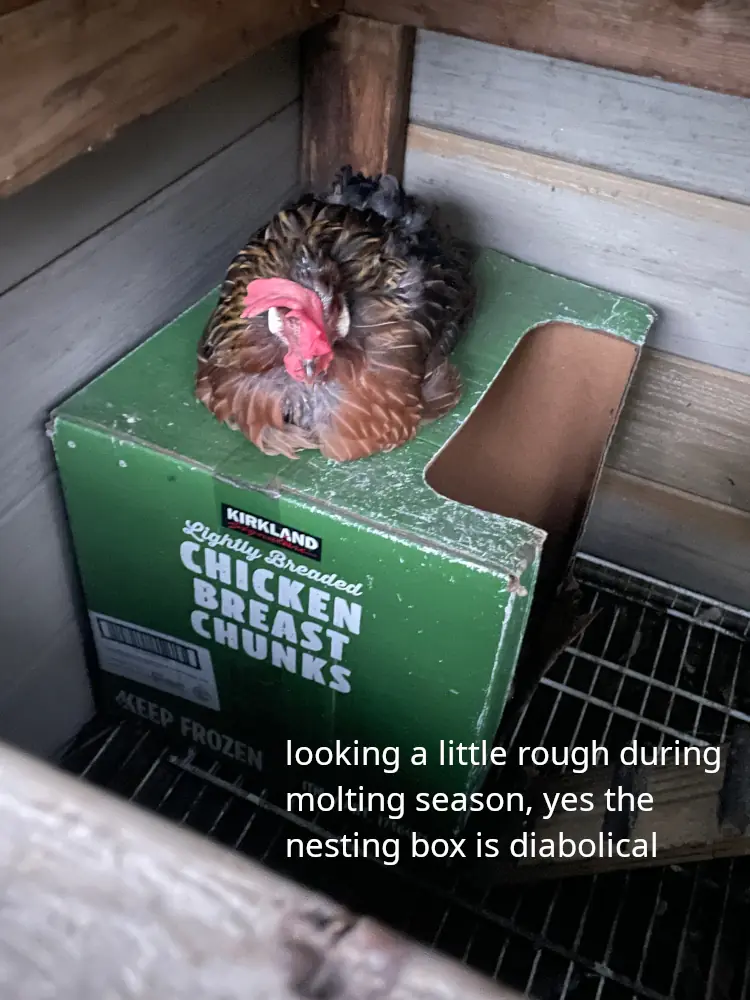
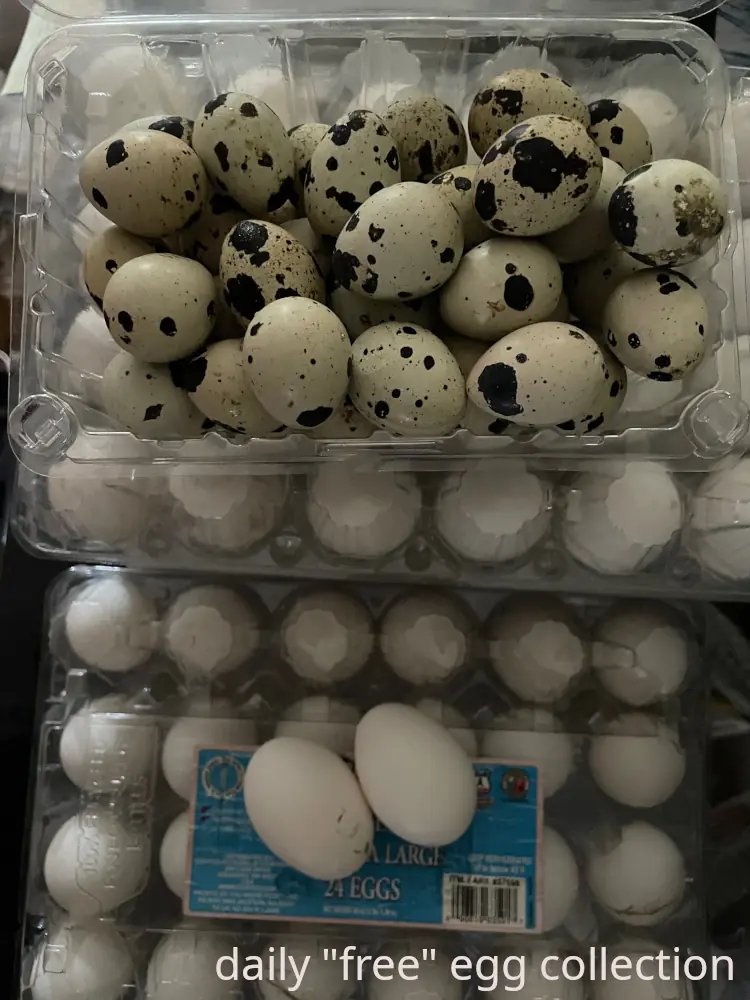
After moving down to Florida, I picked up gardening and later poultry keeping as new hobbies. My grandma used to keep chickens, but I was too little to remember the details, so I've been learning and doing everything from scratch with the help of my dad and online poultry communities. Getting some chickens was the first challenge, and I started with two from Craigslist. Fast forward to now we have a small flock of hens and quail, and it's been a fun and rewarding experience. Keep scrolling for more photos!
Email ShirleyExpanding my flock: the story
It took me four tries to get my first baby chicks.
After adopting two hens, Cluckie and Brownie from Craigslist, we were ready to add more birds to the flock via raising baby chicks. I heard Tractor Supply sells them during "chick days" every spring, so I went with the intention of buying a few.
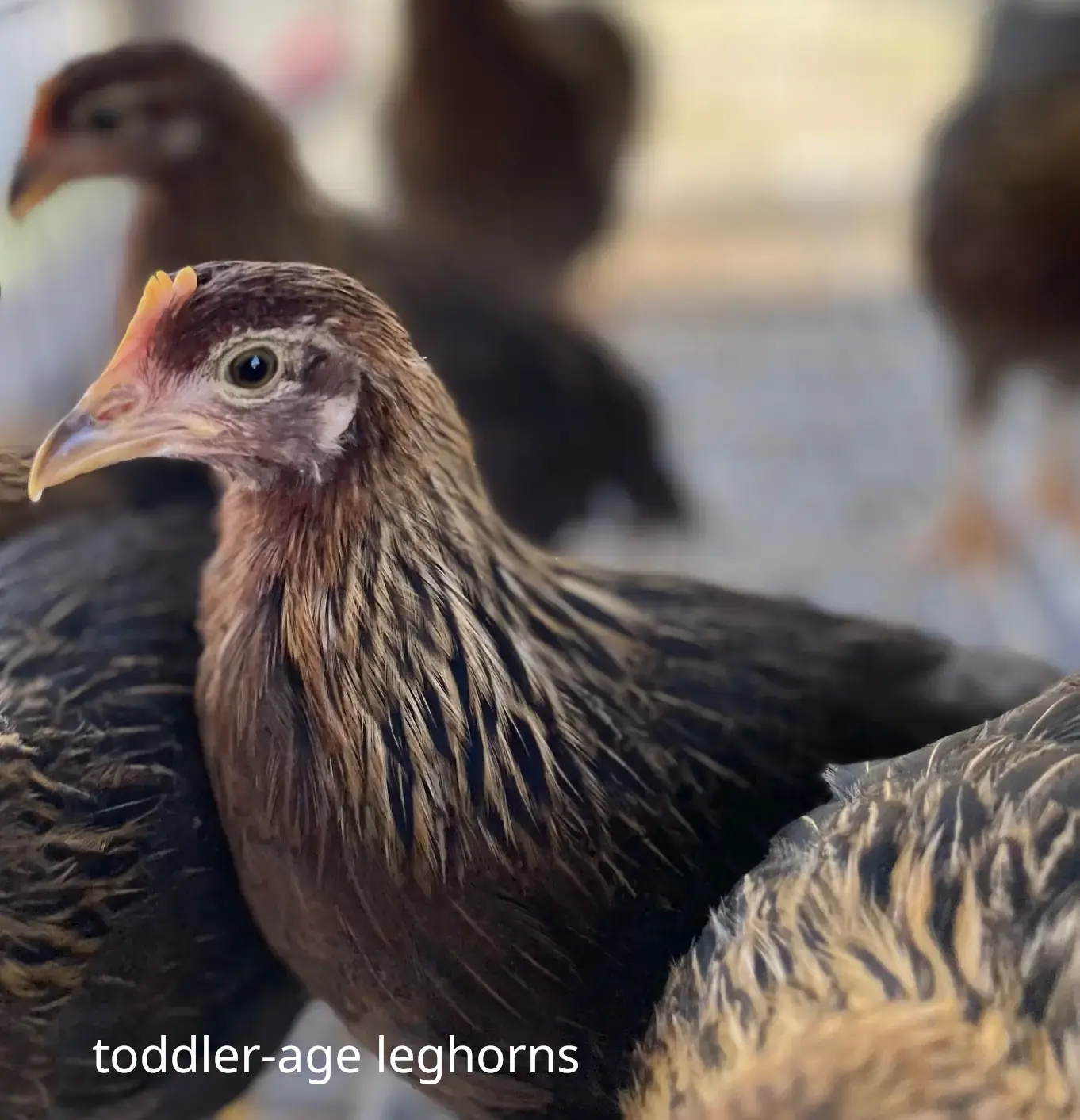
On the first try, they were sold out when I got there. The second time, I called ahead, but after getting a call back I got there just in time to see the last two chicks being sold to someone else. The third time, I called ahead again at both Tractor supply and another local animal feed store, multiple times to check for the chick delivery time, but this time they were delayed until the following week. The fourth time was the charm, and my dad and I went to the store ahead of time and waited almost 2 hours. We were first in line this time, 10 chicks secured! And yes, they were sold out right after.
I had done some research on what breeds I preferred, but with this experience, choosing a breed was not a possibility. So brown leghorns it is. This seemed okay to me because I had read that they're really good egg layers, but at the time I didn't really know the concept of what the "flightiness" gene was in chickens. And my God were they flighty. A sudden movement, a single loud noise would send them exploding into the air. Now I know.

How ChickenMap started
The birds were out there, but I had a hard time finding them. I figured others did too.
After the four trips to buy my first chicks, with no way to choose a breed that would have been beginner friendly (leghorns are not), I did some more research on where and how to get live birds. Besides the local pet feed stores (where who knows what you're going to get), the options were Craigslist, Facebook Marketplace, Google Maps, and large hatcheries that ship live birds — which is how the feed stores got them.
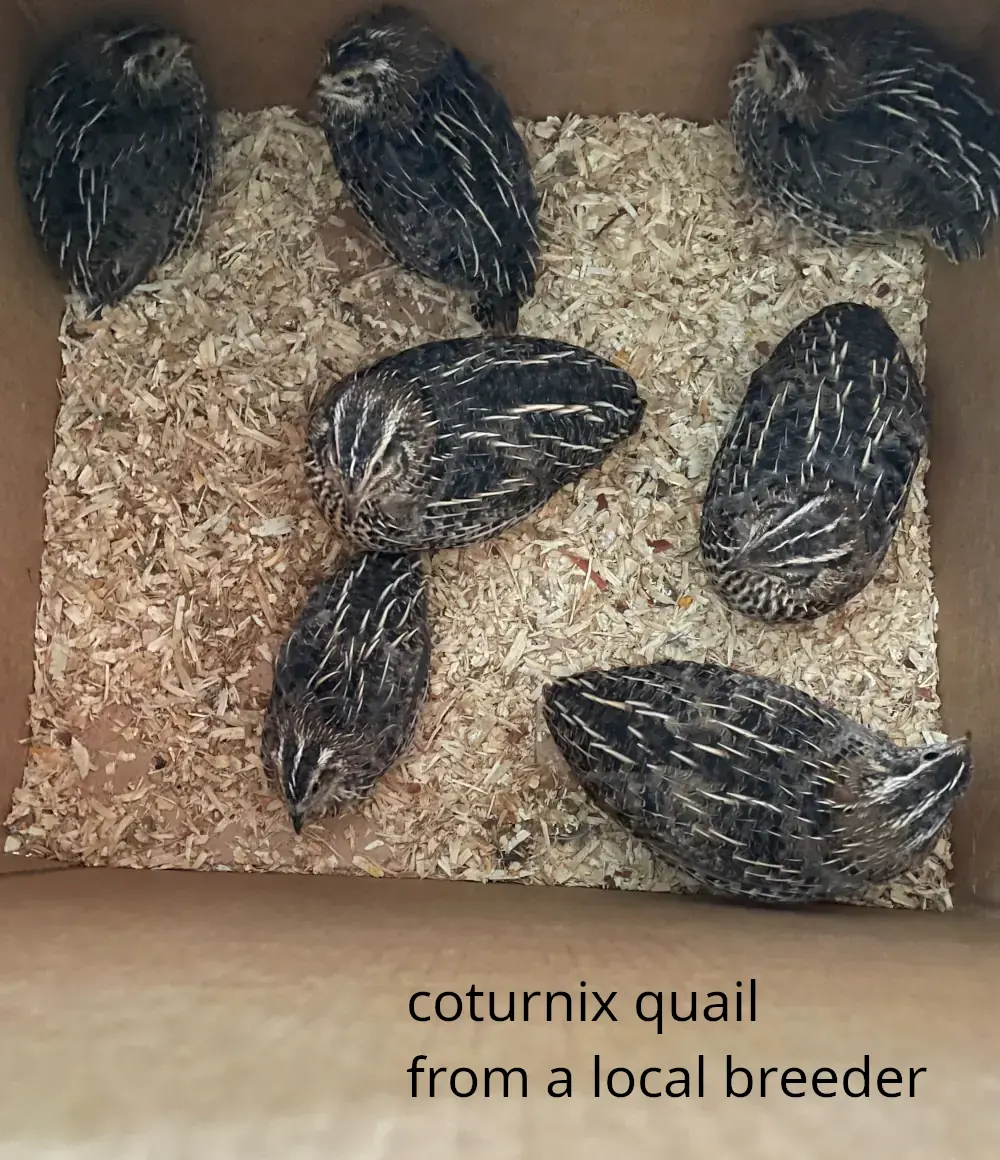
Each option is viable, and could turn out great. That's how I later got some quail chicks from a local breeder listing on Craigslist, who was super nice and has a beautiful homestead with various poultry and farm animals.
Each option also has a few drawbacks:
- Craigslist and Facebook Marketplace
- People selling one-off birds when available
- You have to get lucky with timing and the breeds that pop up
- Need to be careful of scam listings
- Google Maps
- Some businesses no longer operating but still listed
- Searching is a bit difficult — results often show processing farms that sell meat, not live birds
- Large hatcheries
- Extra expensive, often with a minimum order and a shipping fee of $25 to $65 per order
- Chances are the birds will arrive fine, but it doesn't beat picking them up in person
So the goal of ChickenMap is to help people find live birds locally to add to their poultry flocks — whether it's chickens, quail, ducks, geese, turkeys, or any other type of poultry. It's a place where:
- US poultry farms, hatcheries, and small-scale breeders can list what breeds they have available: chicks, adult birds, hatching eggs, poultry supplies, equipment, services, and more
- You can post your one-off birds for sale or adoption if they need new homes
- You can track your flock's events and egg history (I added this because I need to track my own flock)
The birds
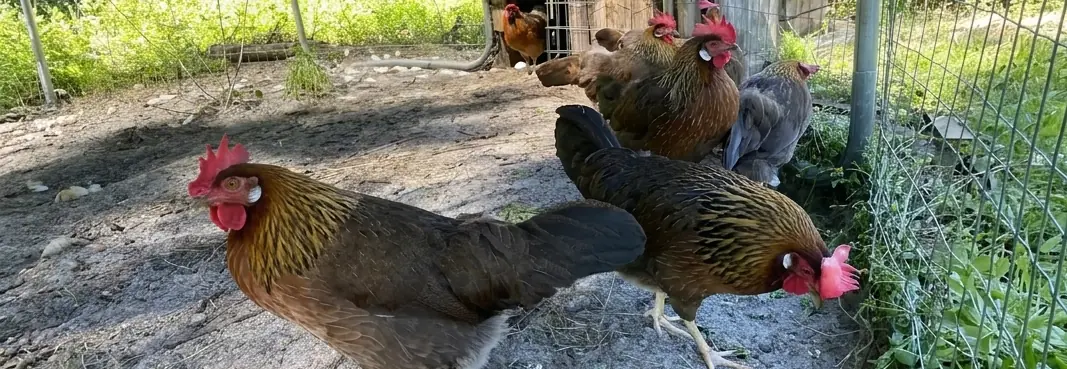
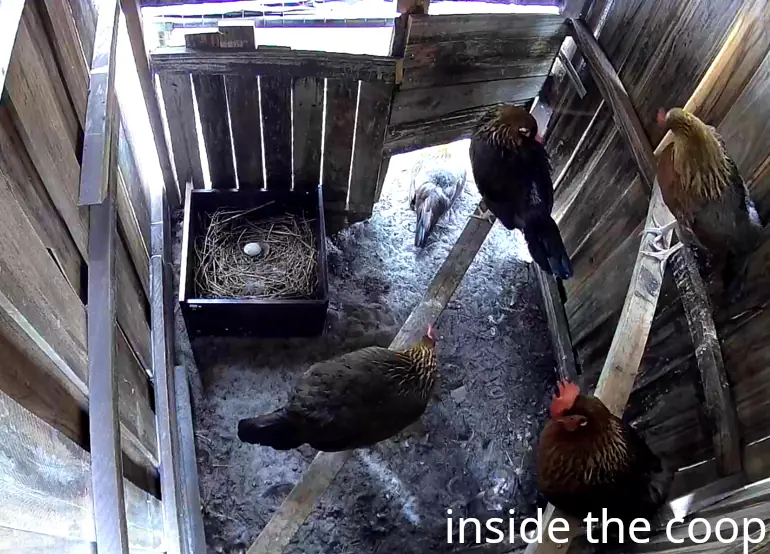
Will destroy all weeds and vegetables in sight. Part time bullies, part time egg-layers, full time mini-dinosaurs.


The garden
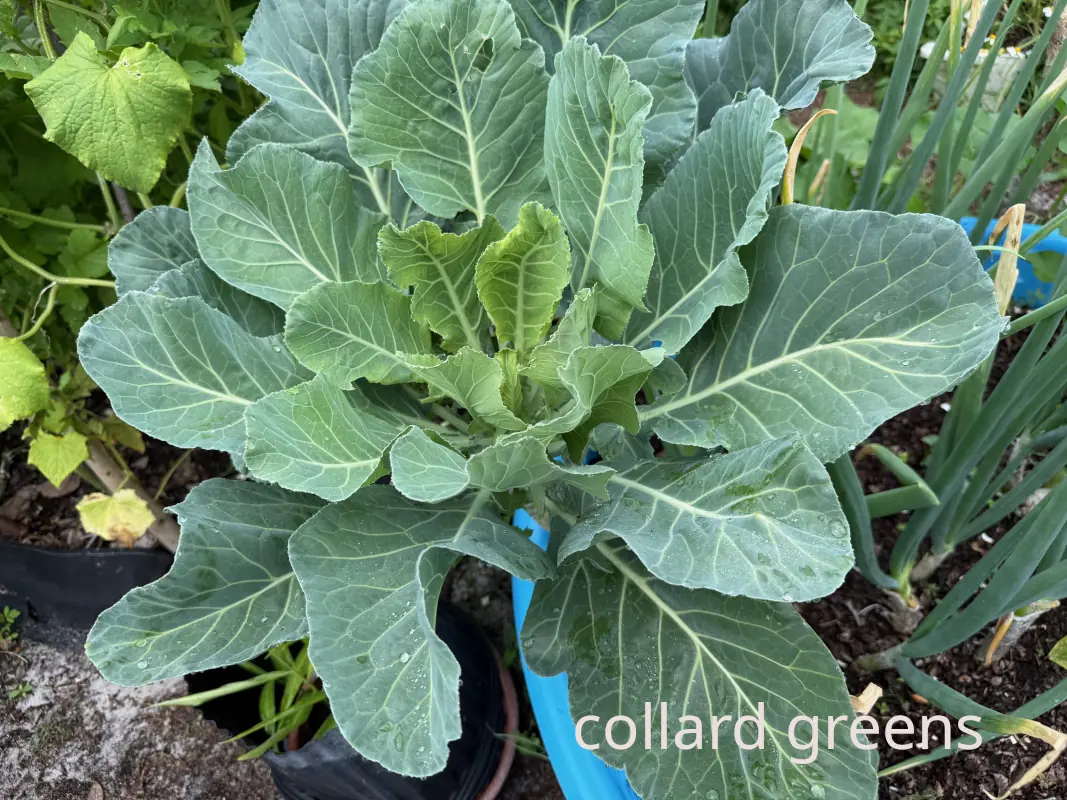
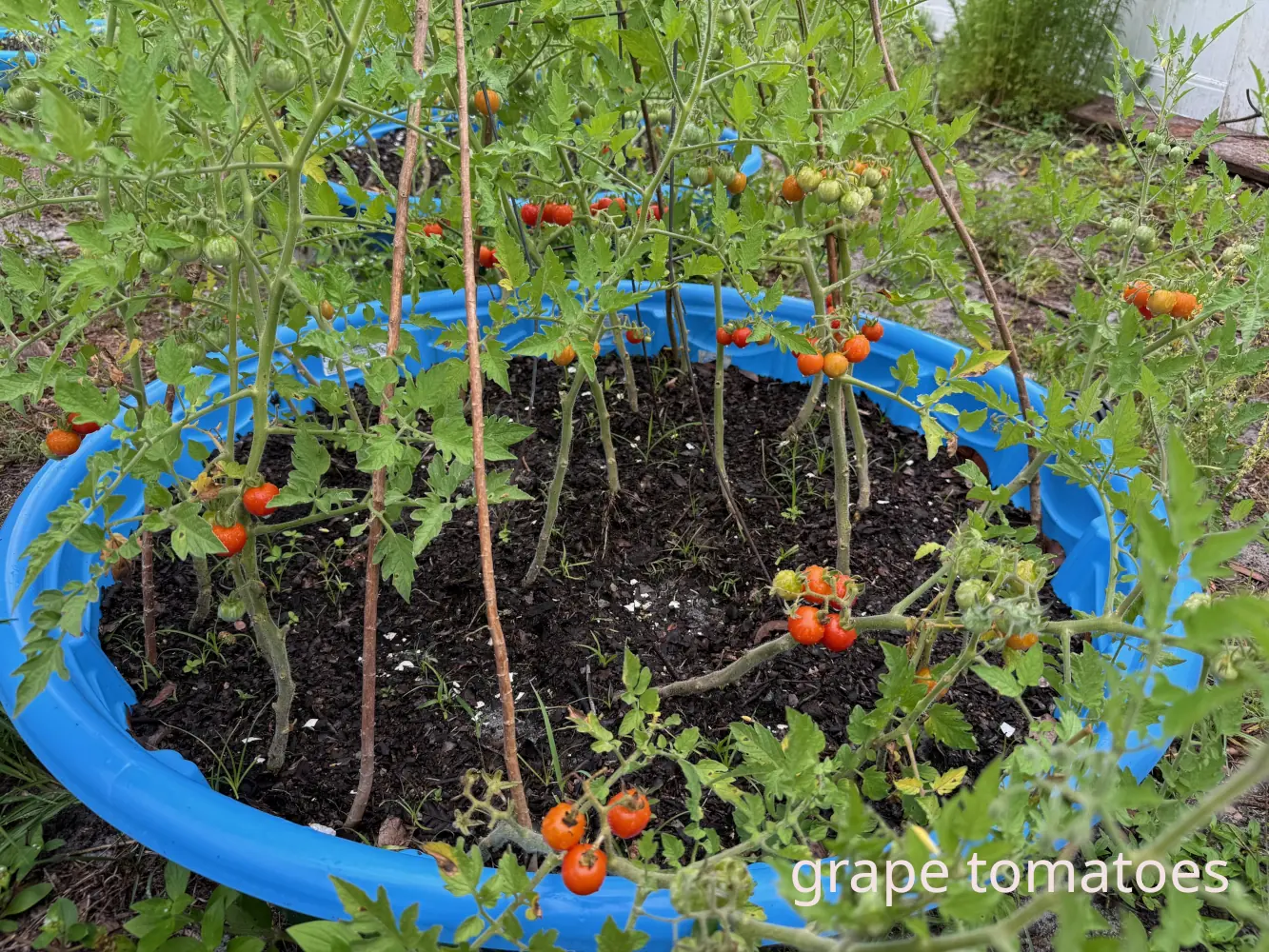
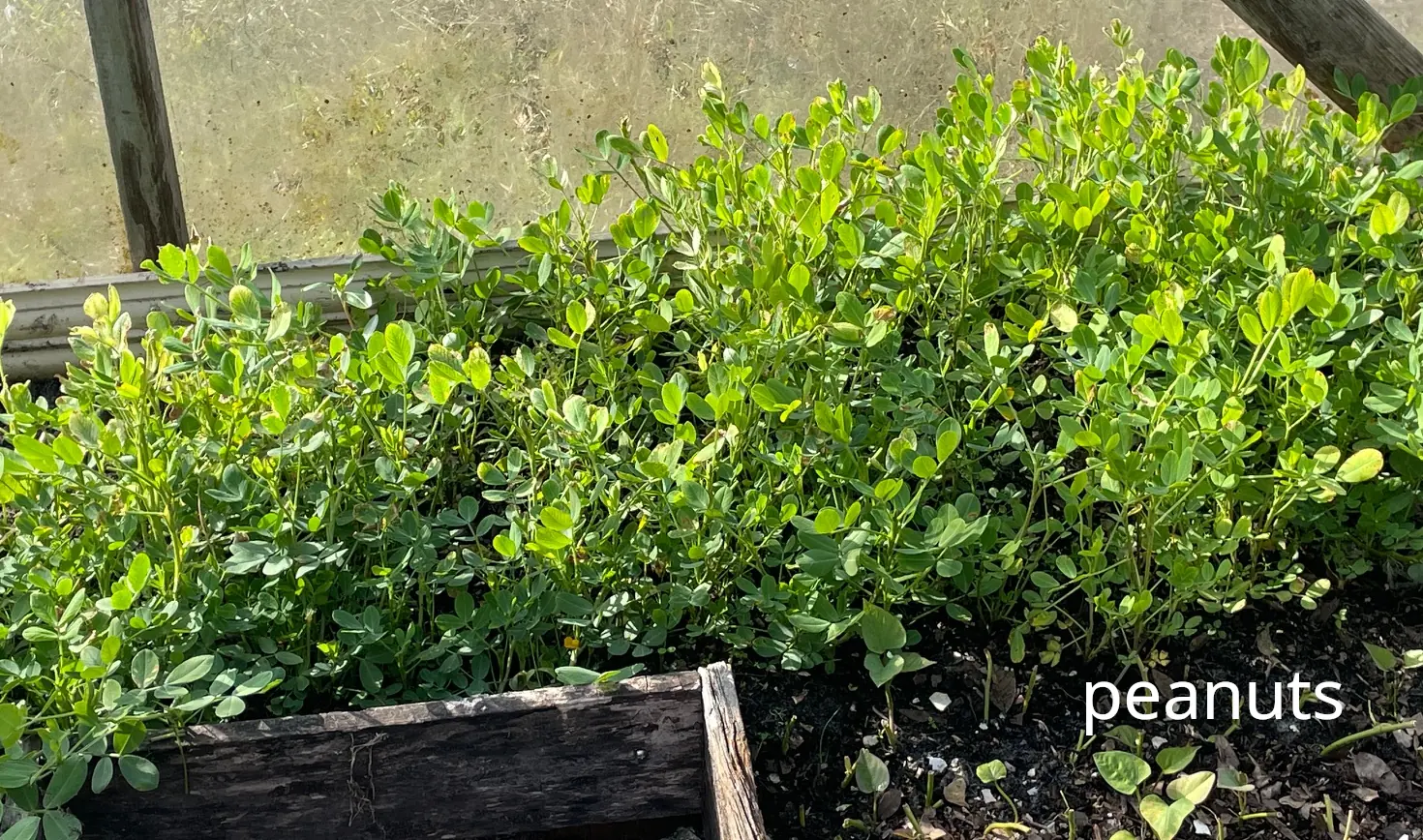
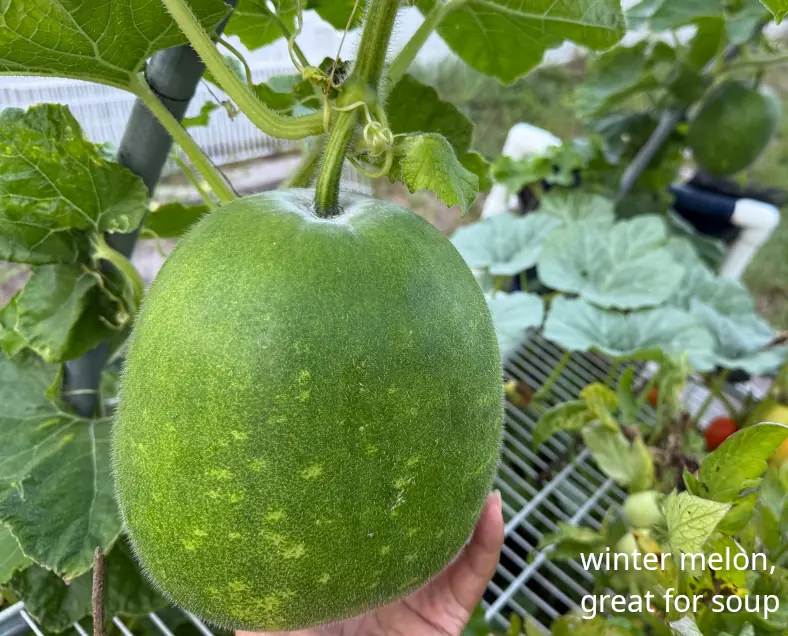
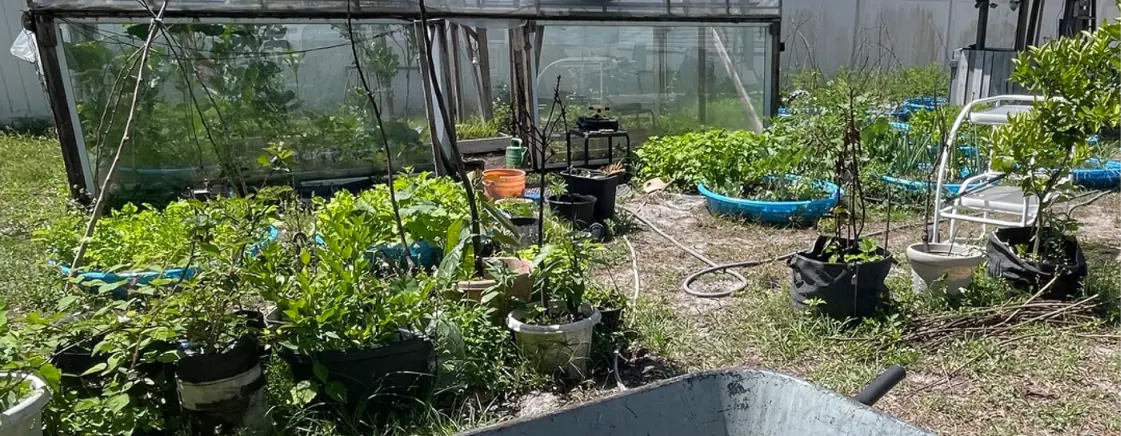
Powered by chicken and quail poop, and compost.