What to Do With a Rooster You Can't Keep
By Shirley W. · September 6, 2026 · 11 min read
The short version. Confirm he is actually a rooster, then check whether your city bans them — a surprising number of people rehome a bird they were allowed to keep. If you do have to place him, other backyard keepers are by far the largest pool of homes, sanctuaries are the best outcome but are usually full, and shelters are almost never an option. Expect two to six weeks. Do not release him: he will not survive it, and in most places it is illegal abandonment.
Most flocks produce one sooner or later. The chicks were sold as pullets, or as straight run, and one of them grows a bigger comb, then long pointed saddle feathers, and then one morning at about eighteen weeks he makes a noise you cannot un-hear.
This is the guide for that morning. Every real option, including the ones nobody likes talking about.
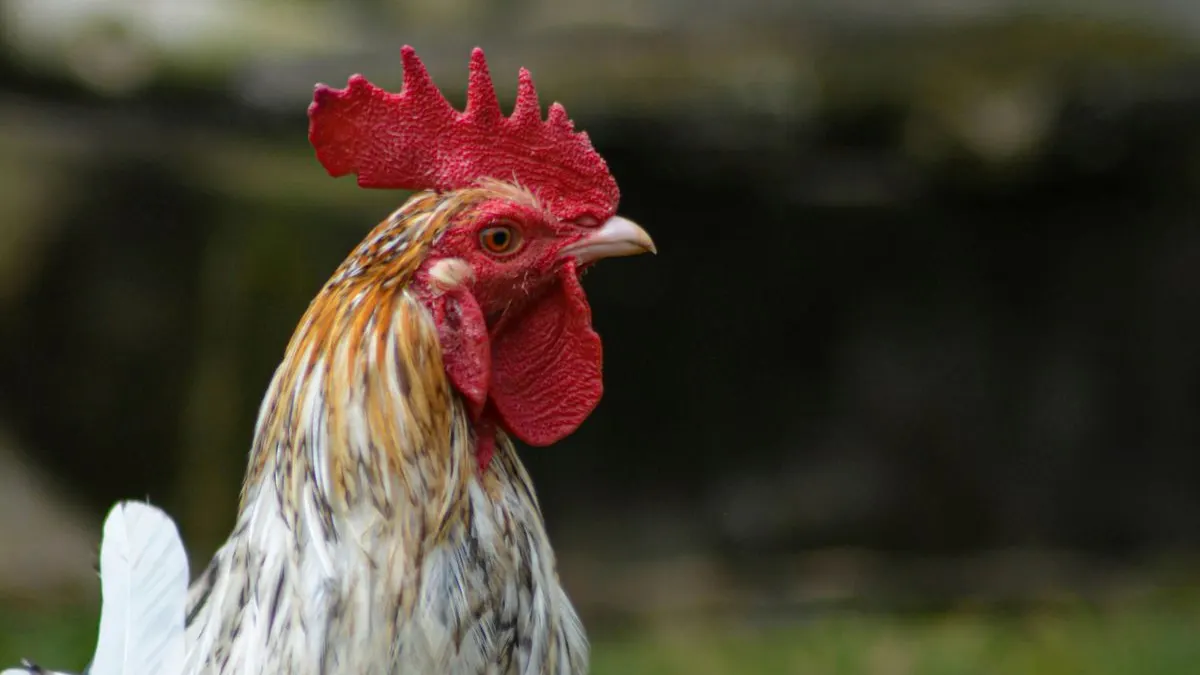
First, make sure he is actually a rooster
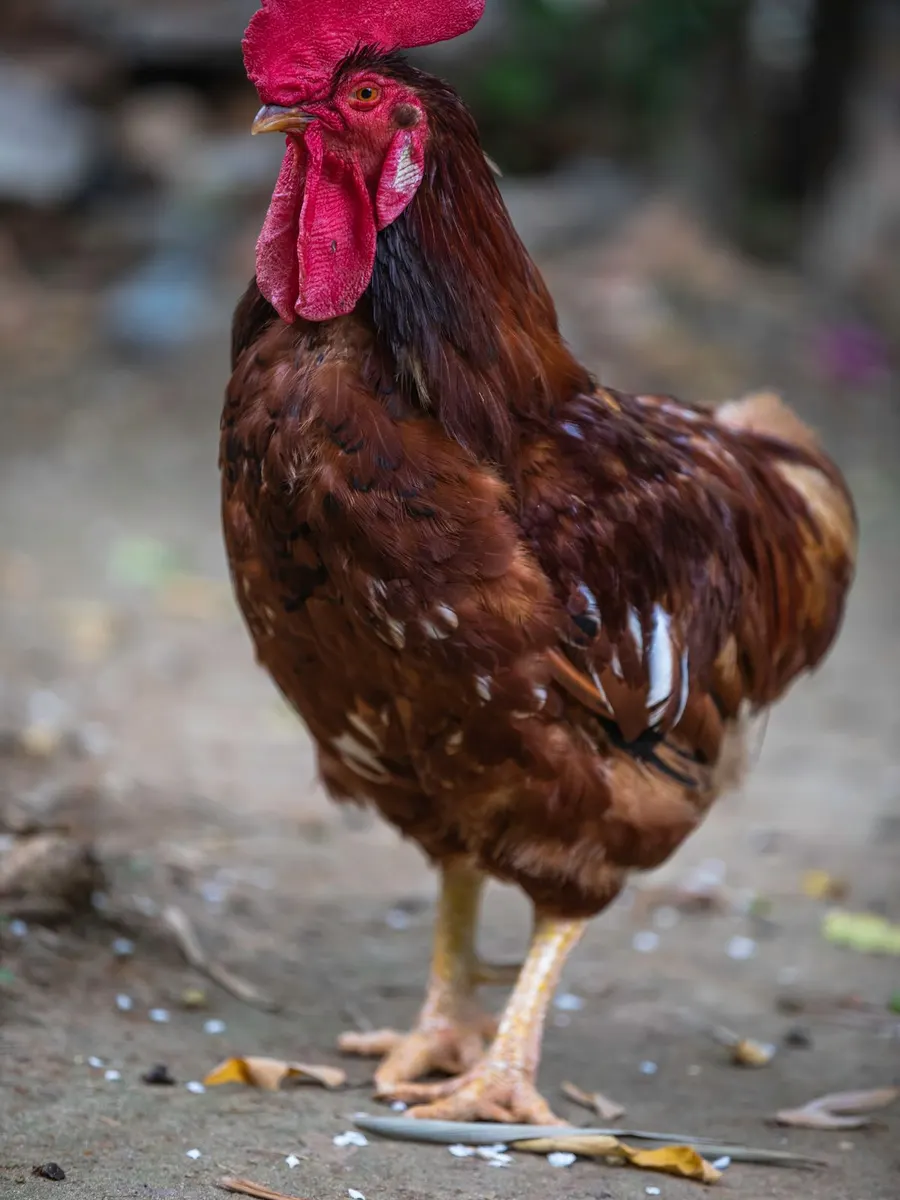
Worth thirty seconds, because people rehome hens by mistake every year.
By four to five months a cockerel usually shows several of these at once: a comb and wattles noticeably larger and redder than his hatchmates', shiny pointed saddle feathers draping over his back near the tail, long thin hackle feathers on the neck, thicker legs, developing spurs, and a lot of upright watching-the-sky behaviour. Crowing settles it, though some start as late as six months and the occasional hen does a passable imitation.
One sign on its own proves nothing. Several together, plus a crow, is your answer.
And if you are wondering how you ended up here at all: straight-run chicks are unsexed, so they average about half males. Even sexed chicks are not a guarantee — the extension service's own guidance notes that vent sexing takes years of training to do reliably, and that feather sexing of Barred Plymouth Rocks runs at about 80% accuracy. Nobody mis-sold you. It is simply how the numbers work.
Second, check whether you are actually allowed to keep him
Do this before you look for a home, because a meaningful share of people rehoming a rooster did not have to.
Two things decide it, and most people only check one.
What your city's code says. Cities that welcome backyard hens ban roosters constantly, and the ban is written separately from the hen rule — so "chickens are allowed here" tells you nothing. Some cities cap roosters instead of banning them; Louisville, for instance, permits one crowing bird. Others never mention roosters at all, which is genuine ambiguity rather than permission, because a general noise or nuisance clause can still reach a crowing bird.
Which government you are actually in. A city mailing address does not mean you are inside the city limits, and the land outside them often has completely different rules. Unincorporated San Diego County permits roosters on a sliding scale by property size while cities inside that county ban them outright. If your parcel is outside the line, the city's ban may not reach you at all.
We have read the codes for a set of cities against their own published text — see what each one says about roosters, including the answer for the land just outside the city limits. If yours is not there, your code will be on Municode or American Legal; search it for fowl, poultry and livestock rather than chicken, because old drafting rarely uses the modern word.
Then check the two rules that are not in any code: your HOA's covenants and any deed restriction on your property. Both bind you regardless of what the city permits, and both are stricter than the ordinance more often than not.
Third, pick from the options that actually exist
Ranked by how many birds they can realistically absorb.
| Where | Realistic odds | Timeline | Worth knowing |
|---|---|---|---|
| Another backyard keeper | Best | 2–6 weeks | The largest pool by far, and the one people skip |
| Farm sanctuary | Low, but the best outcome | Weeks to months | Nearly always full; ask several, ask early |
| Poultry rescue | Moderate | Weeks | Small, local, found by word of mouth |
| Hatchery or feed store | Low | Same day | A five-minute call that occasionally solves it |
| Keeping him | Depends on your code and lot | — | Reconsider before ruling it out |
| Animal shelter | Almost never | — | Most have no poultry housing and will refuse |
Other keepers — where most rehomed roosters actually go
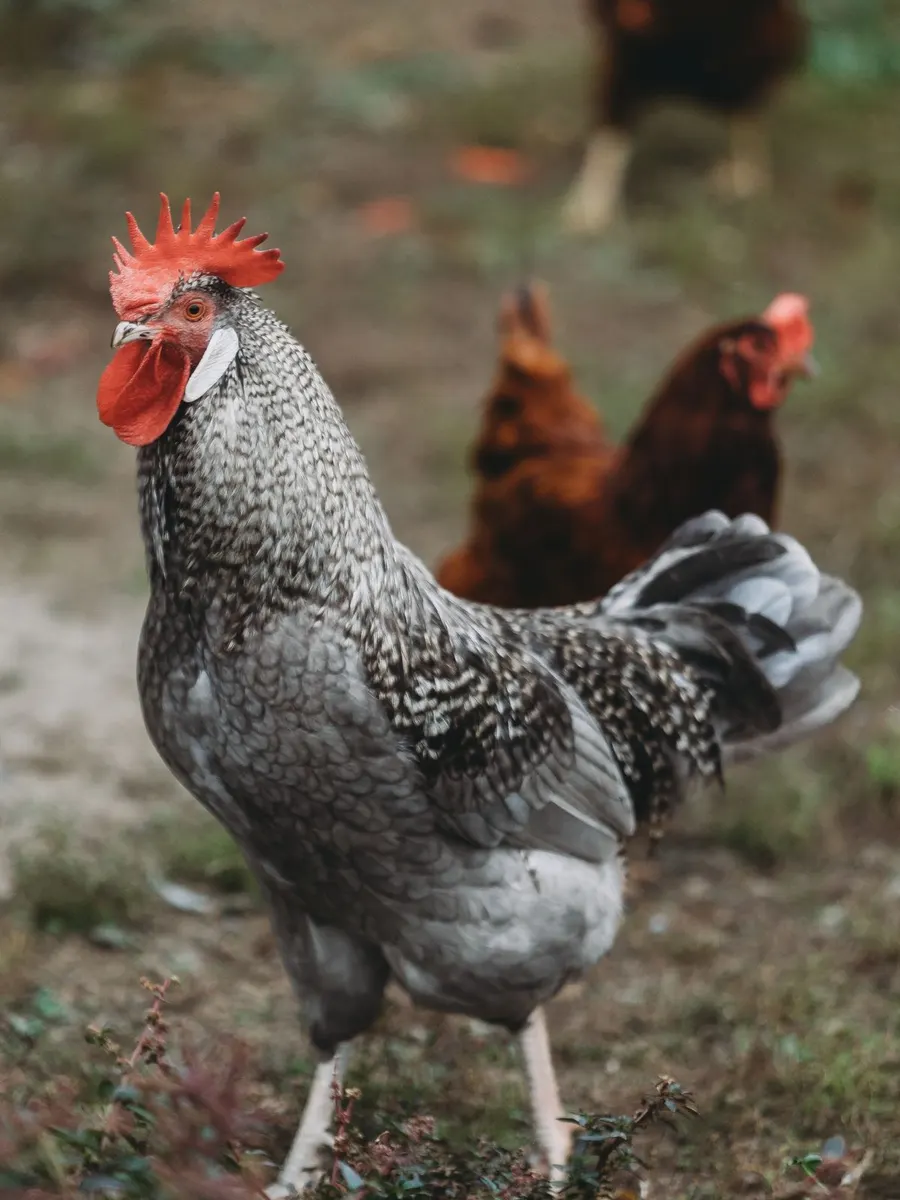
This is the option that feels least official and works best.
The demand is real and specific. Keepers on acreage want a flock protector against hawks and foxes. Breeders want unrelated genetics for a recognised breed. Somebody who lost their rooster last week has hens going unprotected right now. None of those people are browsing sanctuary waiting lists — they are looking at local ads.
What they will not do is drive four hours for a free cockerel of unknown temperament. Rehoming is local, which is why a board that shows the bird's town works better than a national classified.
Post your rooster on the bulletin → Free, no sign-up form, and you can take the post down the moment he is placed.
Farm sanctuaries and poultry rescues
The best outcome if you can get it: a sanctuary keeps the bird for life, does not process him, and the good ones take the aggressive and elderly birds nobody else will.
The catch is capacity. Most are at their limit permanently and keep a waiting list rather than an open door. To improve your odds: ask several rather than one and widen your radius — two hours is a reasonable drive for a permanent placement. Ask early, because "within the next month" gets a better answer than "today". Be honest about temperament and health, since a sanctuary that gets a surprise from you will not take your next bird. And offer a surrender fee or feed donation. You will often be asked, and it is not a shakedown; it is the actual cost of keeping the bird alive for a decade.
Some of the rescues and sanctuaries on our own map take birds in, and a few sellers do too — a listing can be both. Filter the map to Rescue / Sanctuary and the pins show which species each one accepts, which saves ringing round places that only take waterfowl. It is a starting list, not a directory of everyone: ask each one directly, because capacity changes weekly.
Nowhere local with room? Post him on the bulletin — free, and it reaches keepers near you rather than a national audience.
Poultry-specific rescues are smaller and less visible — frequently one person with a barn and a Facebook page. Search your state's name with "poultry rescue" and "chicken rescue", and ask in regional backyard chicken groups. The good ones travel by word of mouth rather than by ranking in search.
Ask where he came from
Some feed stores take back a mis-sexed bird from a batch they sold, some keep an informal list of local keepers who want roosters, and a few hatcheries have a policy for sexing errors. None of it is universal and none of it is guaranteed. It is also a five-minute phone call.
Keeping him, if you legally can
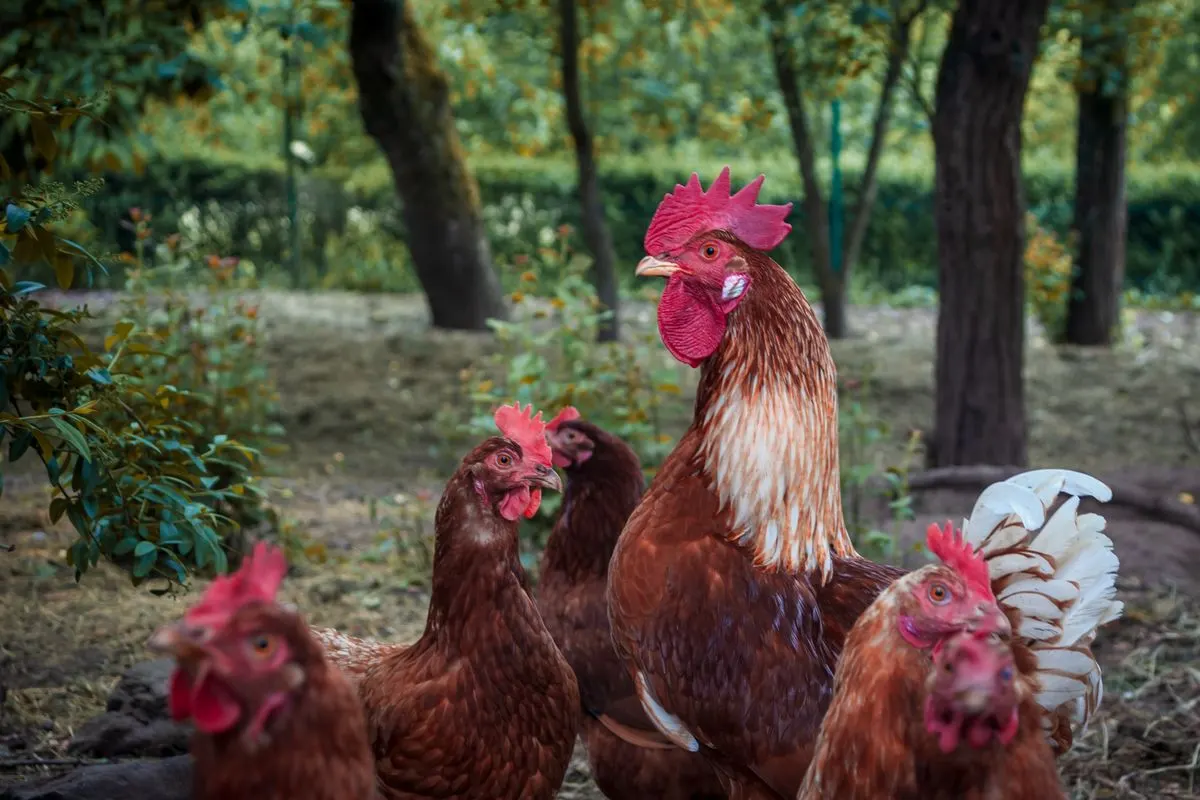
Worth a moment before you rule it out. A well-tempered rooster in a flock with enough hens — roughly ten per rooster, so nobody gets over-mated — watches for hawks, breaks up squabbles, and calls the flock to food.
Crowing can be reduced by keeping him in a dark, secure coop until later in the morning. It cannot be eliminated. Anyone selling you a device that silences a rooster is selling you something that either does not work or hurts the bird.
Animal shelters, and why they usually say no
Better to know now than after the drive. Most municipal shelters are built for dogs and cats, have no poultry housing, and will either refuse intake or move the bird to whichever rural rescue is already full. Where a shelter does take poultry, ask directly what happens to a rooster they cannot place. You are entitled to that answer before you hand him over.
What is not an option
Releasing him. A domestic rooster turned loose in a park, a wood, or a rural roadside dies of predation, starvation or exposure, usually within days, and in most places it is illegal abandonment. The feral chicken populations in a few warm cities are not a counterexample — those are established flocks with a food supply, not one dumped bird.
Writing the listing itself
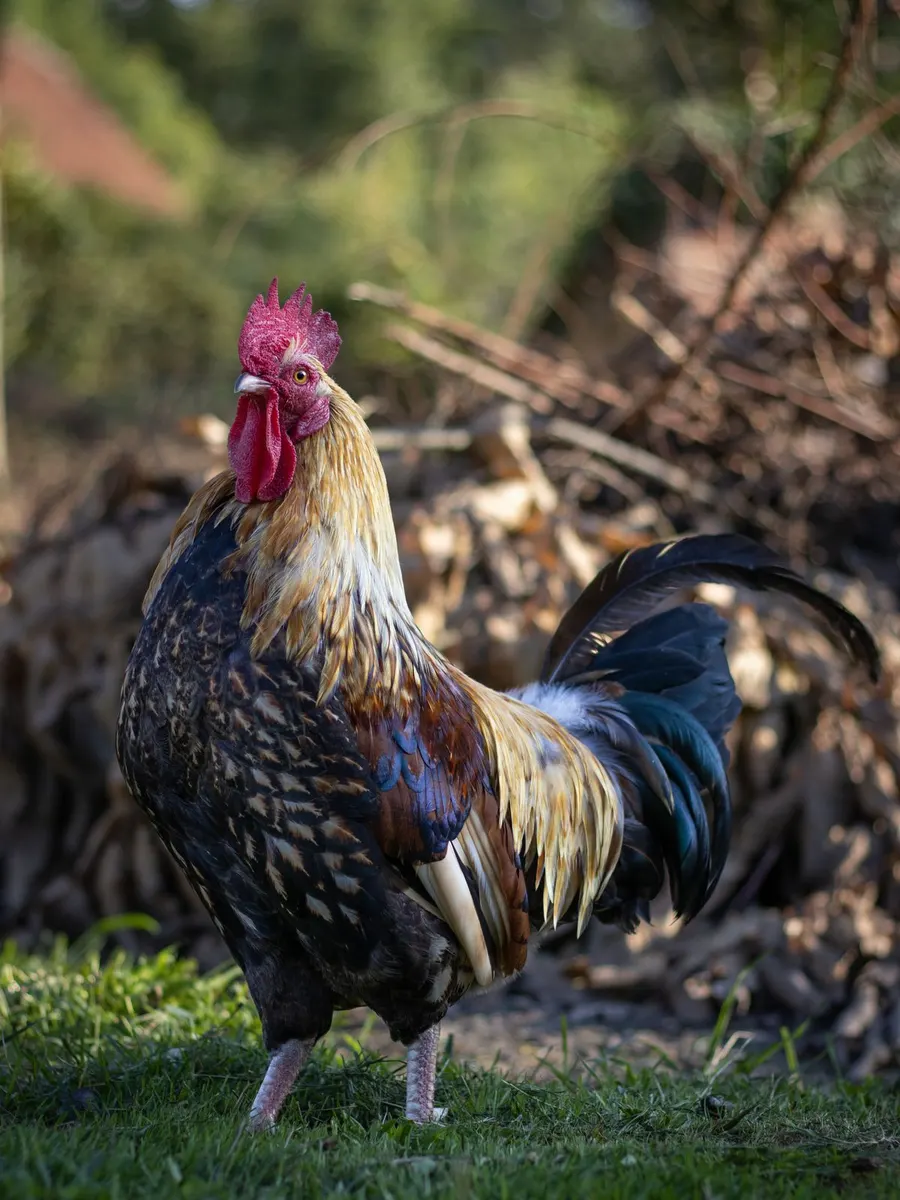
Say you have decided to advertise him — on our bulletin, in a local Facebook group, on a feed-store noticeboard. Most of the work happens in the listing, before anyone contacts you, and the same five things matter wherever you post it.
Our form asks for the breed, roughly how old he is, how many birds, the town you would hand him over in, and at least one photo. That is the whole of it, and the notes below are what turns those fields into a listing people answer.
- Say why you are rehoming. "City does not allow roosters" reassures people. Silence makes them assume aggression.
- Use a photo of the actual bird. Not a breed photo from the internet. A post with a real picture gets answered; one without it mostly does not.
- Be specific about temperament. Mentioning that he has flogged someone costs you replies and saves you the bird coming back.
- Name your terms up front — free, a fee, pet home only, no processing. Say it in the post rather than discovering the mismatch three messages in.
- Give a real pickup area. Rehoming is local; nobody drives four hours for a free cockerel.
A small rehoming fee is common for roosters and filters out the least serious replies, though it narrows your pool. Free listings move fastest.
Write your listing now → It takes a few minutes, and the post gets its own page you can share straight into local groups.
If you want him kept alive, say so plainly
Some people who answer a rooster ad intend to process the bird. That is the honest situation, and it is worth being direct about how to shift the odds.
Nobody can guarantee it. Once a bird leaves your property, what happens on someone else's land is not visible to you or to any website. A site promising you a guaranteed outcome is telling you what you want to hear.
What you can do is stack the deck:
Write it in the ad. Pet or flock-protector home only, not for processing. One clear sentence. People wanting a stewing bird read it and move on, which is what you want — four honest replies beat twenty you have to interview. "To a good home" means nothing, because plenty of people consider a quick end on a small farm to be a good home, and they are not lying when they say so.
Ask, then listen. When somebody replies, ask what they are planning to do with him. Most people answer honestly. Listen for specifics: "I have twelve hens on four acres and lost my rooster to a hawk last month" is a different answer from "yeah, pet home". Reasonable follow-ups — how many hens, what the coop and run are like, whether they have kept a rooster before, whether they have a predator problem. Someone intending to process the bird usually declines to answer, or the conversation quietly stops.
Prefer homes that structurally want him alive. A breeder wants his genetics for years. A keeper who just lost a rooster to a predator wants a working flock protector. A sanctuary's entire purpose is that he lives. None of those depend on a promise to you.
If certainty matters more to you than speed, a sanctuary is the only option that comes close — and you may wait months for a place.
How long it takes
Two to six weeks for a healthy, decent-tempered rooster in a populated area. Longer for an aggressive bird, an unusual breed nobody recognises, or a rural post with few readers nearby.
Start before the complaints, not after them. A deadline set by a code enforcement letter is what pushes people into the choices they regret.
What to do today
- Confirm he is a rooster.
- Check your city's code, and whether your parcel is even inside the city limits — start here.
- Ring your feed store or hatchery.
- Email two or three sanctuaries within a two-hour drive, saying you are flexible on timing.
- Post him publicly with a real photo, his town, and your terms.
That last one reaches the largest group of people who actually want him. Posting a bird is free, and you can take the post down the moment he is placed.